Astrid Nelsia: Instagram Star, Reality TV Icon, and the Questions Fans Keep Searching
Astrid Nelsia is one of those names that keeps resurfacing in waves, even for people who haven’t actively followed French reality television in years. You might discover her through a clip from an older season that suddenly reappears on your feed. You might see a photo that gets reposted and want to know who the person is. You might stumble across a reel where confidence and styling do most of the talking, and you feel that familiar urge to search the name and fill in the backstory. That “search impulse” is a modern form of fandom: it begins with a moment, then turns into curiosity, and curiosity turns into a set of keywords that appear again and again on Google.
What makes Astrid interesting in long‑form is not only her look or her social media reach. It’s the way her public identity sits at the crossroads of two fame systems. The first is reality television, a format that creates storylines quickly, magnifies romance and conflict, and makes a personality feel like a character you “know.” The second is influencer culture, where a public figure becomes their own producer, building a visual signature and managing the rhythm of what the world sees. Astrid belongs to the generation that experienced both systems and learned to navigate the shift from TV editing to self‑curation.
This article is written for the real reasons people search her name. It’s here to connect the dots across the most common topics—age, Instagram, live appearances, Twitter and Snapchat traces, questions about origin, and relationship curiosity—while keeping the tone respectful and grounded. The internet can turn celebrities into rumors and stereotypes in seconds, especially when keywords like “hot” or “sexy” enter the picture. But a better fan guide doesn’t reduce a person to a label. It explains the public story, the platforms, and the cultural context that made those labels stick in the first place.
astrid nelsia
“Astrid Nelsia” often appears in conversations about the classic era of French reality television, when shows created recognizable personalities who felt larger than the season itself. People still revisit those seasons because reality formats are built to be rewatchable. They contain memorable scenes, fast emotional arcs, and the type of interpersonal drama that people love to discuss long after the broadcast. In that environment, Astrid became a name that viewers remembered. Some remember her for the way she carried herself on camera. Others remember the specific kind of attention she attracted: a mix of admiration and controversy that is common for glamorous reality personalities.
But the bigger story is how she continued to be visible after the “TV moment.” Many reality stars become famous inside a show and then fade when the season ends. Astrid’s ongoing presence suggests something else: she understood that attention is a resource that can be shaped, not only received. Social media became the tool for that shaping. It allowed her to decide how her image should look, what tone she wanted to project, and how much of her life should be public at any given time. That shift—from being edited by a production team to being curated by the person—changed the relationship between Astrid and her audience. Fans were no longer only remembering a TV character; they were following a creator who could update her public identity continuously.
Her name also stays searchable because it travels across language communities. French-speaking audiences often search her in the context of shows and celebrity news. International audiences often search her through Instagram, where visuals require less translation. In a global platform era, a public figure can be famous in different ways to different groups. Some people know Astrid as a reality TV personality. Some know her as an Instagram creator with a strong, glamorous aesthetic. Some know her as a name that appears in entertainment headlines and social media debates. The same person can be “introduced” multiple times, which is why the keyword remains active year after year.
astrid nelsia age
The age question is one of the most persistent in celebrity searches because it helps people build a timeline. When you discover someone through a recent post, you naturally wonder where they are in their life. When you rediscover someone through older footage, you want to know how long ago that era was and how much time has passed. Astrid’s name is frequently rediscovered through archived content, which makes the age question even more common. Viewers might see a clip from the mid‑2010s, notice how different fashion and styling trends were at the time, and then search her age to anchor that memory in a real year.
Public bios and older posts have commonly indicated that Astrid was born on October 30, 1995. Using that date, her age depends on the year you are reading this, but the method is always the same: after October 30, she has already had her birthday for that year; before October 30, she has not. In 2025, after her birthday, she would be 30 years old. That number is less interesting as trivia and more interesting as context. It helps explain why her online presence can feel more controlled and self‑aware now than it might have early on. In your twenties, fame often arrives through a format and you react to it. In your thirties, you tend to define your own structure, choose your own boundaries, and build a more deliberate identity.
Age also matters in influencer culture because audiences compare eras constantly. They compare old photos to new photos. They compare reality TV scenes to Instagram reels. They debate whether someone “changed” or “stayed the same.” The truth is that everyone changes, especially under public attention. What fans often call “change” is usually a mix of maturity, strategy, and evolving self‑presentation. When you understand that, the age question becomes less about judging a person and more about appreciating the evolution of a public career.
astrid nelsia sexy
The keyword “sexy” appears with Astrid Nelsia for a simple reason: her public image is strongly associated with glamour, body confidence, and an unapologetically bold presentation. In modern internet language, “sexy” often gets used as a shorthand for a visual style that is designed to stand out. It can mean fitted outfits, high‑contrast makeup, camera‑aware posing, and the kind of self‑assured expression that suggests the person is in control of the attention. That matters, because there is an important difference between self‑chosen glamour and objectification. One is an intentional aesthetic; the other is an attempt to reduce a person to a body.
Astrid’s public visuals have often leaned into maximum presence. Some creators prefer minimalism and quiet luxury. Others build a persona that is more theatrical, more dramatic, and more instantly readable on a phone screen. In a feed where thousands of images compete for attention, strong posing and confident styling become a kind of language. The audience responds not only to attraction but to the feeling of confidence. Many fans search “sexy” because they are trying to find more content in that same tone: the photoshoots, the iconic looks, the posts that carry a bold energy that feels aspirational.
There is another side to “sexy” searches that deserves a careful boundary. The internet often tries to exploit celebrity imagery through fake “leak” claims, misleading thumbnails, and repost pages that monetize attention without consent. If you are searching Astrid because you like her style or her public persona, the most respectful approach is to stick to official and credited content. A good fan culture appreciates what a person chooses to share and refuses to reward content framed as stolen or invasive. That isn’t only a moral point; it’s also practical. Official content is clearer, higher quality, and more representative of the creator’s real brand.
astrid nelsia instagram
Instagram is arguably the main stage for Astrid Nelsia today because it allows her to present a coherent visual identity over time. While television seasons come and go, Instagram creates continuity. You can post photos, reels, stories, and collaborations in a way that keeps the audience connected between “big” media moments. The platform also allows a public figure to lead the narrative rather than being defined by an edit. For someone whose image is a central part of her public identity, Instagram is an ideal medium because it is built around visuals, mood, and curated storytelling.
A key reason people search “Astrid Nelsia Instagram” is simply to find the official account. Names are easy to copy, and many fan pages and impersonators exist in influencer culture. The most widely visible account is commonly found under the handle @astridnelsia, where her follower count and consistent posting history make it easy for fans to recognize the real presence. People also sometimes encounter older entertainment articles listing an earlier handle from the reality TV era, which can create confusion. Older coverage has historically referenced “nelsia_astrid,” while modern discovery usually brings people to @astridnelsia. The shift reflects how creators sometimes update branding over time to align with a cleaner, more memorable identity.
Instagram also helps explain why Astrid’s fame feels international. A photo doesn’t require translation. A reel communicates vibe through music choice, timing, and expression. A creator with a strong visual signature can reach audiences far beyond the original TV market. That global reach is why Astrid’s name continues to be searched by people who have never watched her shows. They discover her through the algorithm and then use search to build context.
astrid nelsia live
“Live” searches usually suggest a desire to see a public figure without the heavy polish of an edited post. Live sessions feel immediate. They feel like the person is speaking to the audience rather than performing for it. That impression is part of what makes Lives powerful, but it also needs a healthy interpretation. A Live can be spontaneous while still being curated. The creator chooses when to start, what to respond to, what to ignore, and when to end. In other words, Live content can feel closer without actually removing boundaries.
When Astrid goes live or appears in real‑time contexts—whether through Instagram Live, event-related clips, or a shared stream—fans often search for it because it feels like a “moment.” Live content can reveal humor, reactions, and the kind of energy that doesn’t show in still photos. It can also create community, because followers are reacting together in real time. That shared participation is something television used to offer through broadcast schedules; Live sessions recreate it in a modern way.
If you are searching for her Lives, the best approach is to follow official channels and notifications rather than relying on reposts that cut context. Short clips can be entertaining, but they can also distort meaning. A live moment is not always meant to be archived as a permanent statement. It is often casual, playful, and time‑bound. Watching it with that mindset makes the experience healthier for fans and fairer for the creator.
astrid nelsia hot
“Hot” is a keyword that often functions like a quick compliment in comment culture, but in search it has a more specific purpose. People searching “Astrid Nelsia hot” are usually looking for image-based content: photoshoots, outfit moments, and visuals that emphasize glamour and confidence. It is not necessarily a request for explicit content. More often it is a request for the aesthetic tone that Astrid is known for—bold, polished, and visually striking.
The reason “hot” sticks to certain public figures is that their image is a core part of the brand. Astrid’s public presence is built around styling, posing, and a sense of control over the gaze. That kind of presentation can be empowering when it is self‑directed. It communicates that the person is choosing how to be seen. Many fans find that inspiring. They don’t search “hot” only because of attraction; they search because the imagery carries confidence and a kind of fearless energy that people want to feel for themselves.
Still, it’s worth repeating the boundary: “hot” searches can attract low‑quality and exploitative content that has nothing to do with the person’s official work. In celebrity internet culture, the same word that brings fans can also bring spam. A smarter way to search is to focus on official photos, credited editorials, and platforms where the content is clearly posted by the creator. If you care about the person behind the image, that habit is part of respecting them.
astrid nelsia twitter
People search “Astrid Nelsia Twitter” because text-first platforms offer a different window into personality. Instagram shows a curated aesthetic; Twitter/X often shows commentary, reactions, and a more conversational voice. For reality TV personalities, Twitter also used to be a major second screen: fans watched episodes and then followed the cast’s commentary online. Even years later, those traces still influence search behavior. Someone might see an old article listing a handle, or find a screenshot of a tweet, and then search to confirm the account.
Older entertainment listings connected to her reality TV era have referenced the handle @AstridNelsia1 as her Twitter/X identity. Over time, many public figures change how they use platforms. Some become less active on text-first spaces as audiences migrate to reels and short video. Others maintain multiple accounts or change usernames. Because of that, the safest way to find the most reliable Twitter/X presence is not to trust random screenshots, but to follow official link trails from her main profiles or link hubs. When the source is an official bio link, you reduce the risk of landing on a fan account that reposts content without context.
Twitter/X also amplifies conflict by design. It rewards strong opinions and fast reactions. If you see a viral tweet about Astrid, it may be framed for engagement rather than fairness. A careful fan pauses, checks dates, looks for original sources, and remembers that controversy often spreads faster than truth. That habit is the difference between participating in celebrity culture and being manipulated by it.
astrid nelsia snapchat
Snapchat is often searched because it feels more personal than other platforms. It is built around quick, temporary updates and casual moments that don’t always live on a permanent feed. For many reality TV stars, Snapchat was once the place where fans felt closest—where someone could post a behind-the-scenes moment without the polish of Instagram. Astrid has historically been associated with Snapchat activity, and older entertainment coverage has listed “AstridNelsia” as her Snapchat username. Early posts and reels have also encouraged viewers to add that username, which is one reason it remains searchable.
Snapchat’s role in a creator’s ecosystem can change as platforms evolve. As Instagram stories and reels became dominant, many influencers shifted focus. Some used Snapchat less. Some kept it as a more private or casual channel. The best way to approach Snapchat searches is to treat them as a bonus rather than an entitlement. If a public figure chooses to share there, it can feel intimate. But that intimacy is still public content, not a private friendship. Fans who keep that boundary clear tend to be the ones creators trust most.
If you are trying to confirm a Snapchat account, the same rule applies: follow official link trails. If an account claim is not linked from a reliable source, treat it with caution. Celebrity names are easy to imitate, and Snapchat usernames can be passed around by people who want attention. A few extra seconds of verification protects you from scams and protects the creator from impersonation.
astrid nelsia origine
The French keyword “origine” usually reflects a desire for biography and cultural context. Fans want to know where someone comes from, what background they identify with, and how that background fits into their public story. In Astrid Nelsia’s case, multiple public biography pages describe her as having Vietnamese origin. That consistent description is part of why “origine” searches remain active: people want to understand the cultural and personal context behind the name they see on screen and online.
When it comes to birthplace, public sources are not always perfectly aligned. Some biographies mention Geneva, Switzerland, while others mention Annemasse in Haute‑Savoie, France. These locations sit in the same broader cross‑border region, and in celebrity bios, such regional details can sometimes be presented differently depending on the source and the context. What matters to most fans is the broader picture: Astrid is commonly described as a French‑Swiss personality with Vietnamese origin, and her public career is rooted in the French reality TV ecosystem that shaped a generation of influencers.
Origin matters in fandom because it adds depth. It reminds you that a public figure is not only a collection of posts and headlines. They are shaped by family, region, language, and culture. But it should be handled with respect. Background is not a “fun fact” to collect; it is human context. The healthiest approach is curiosity without intrusion: appreciating the cultural story when the person shares it, and not demanding details that the person has chosen to keep private.
astrid nelsia en couple
The “en couple” question is a classic in reality TV culture. Reality formats are built around romance, tension, and pairing. They train viewers to treat relationship status as the main storyline. That habit doesn’t disappear when the show ends; it becomes a search pattern. Fans want to know if someone is currently in a relationship, whether a rumor is true, and whether there is an “official” partner.
In Astrid’s case, French entertainment coverage has reported relationships at different times, including reporting that she publicly shared a relationship with a footballer named Matheus Vieira during her reality TV era. That kind of headline becomes part of the public archive, which is why people keep searching “en couple” even years later. They may have seen a photo, heard a rumor, or rediscovered an old article and want to know what happened next.
But relationship status is one of the most changeable facts on the internet. People break up, reconcile, date privately, or simply choose not to share. Public figures do not owe the audience constant updates about their private life. The healthiest fan approach is to treat “en couple” as curiosity rather than a demand. If Astrid chooses to post a partner publicly, that becomes part of the public story. If she doesn’t, the respectful move is to accept that and focus on the content she does choose to share.
It is also wise to be skeptical of “relationship evidence” online. Two people appearing in the same city is not proof. A comment is not confirmation. The internet loves to build narratives from small signals because narratives generate clicks. A careful fan waits for direct confirmation or reliable reporting rather than turning speculation into certainty.
astrid nelsia tiktok
TikTok is a major discovery engine, which is why “Astrid Nelsia TikTok” searches are common even among people who mostly follow her on Instagram. TikTok’s design pushes content to new audiences based on interest and engagement rather than only followers. That means Astrid can appear on someone’s feed even if they have never heard her name, and that appearance can create a spike of searches as new viewers try to build context.
Even when direct access to TikTok pages is inconsistent across environments, link hubs associated with her name commonly reference TikTok as one of the platforms she connects to. That is a useful clue: it suggests that TikTok is part of the broader platform ecosystem around her public identity, whether through official posting, reposted clips, or curated links.
The cultural role TikTok plays for a public figure like Astrid is straightforward. Short video emphasizes movement, expression, humor, and timing. It can show the playful side of a glamorous persona. It can also remix older moments into new trends, which is one reason reality TV personalities remain visible long after their seasons. A clip from a decade ago can be repackaged with trending audio and suddenly introduced to a new generation. TikTok is not only a platform; it is a recycling system for cultural moments.
If you want to find the most reliable TikTok presence, the safest approach is to start from her official Instagram and follow any linked hub or verified handle paths, rather than trusting random reposts that may not represent her official activity.
astrid nelsia photos
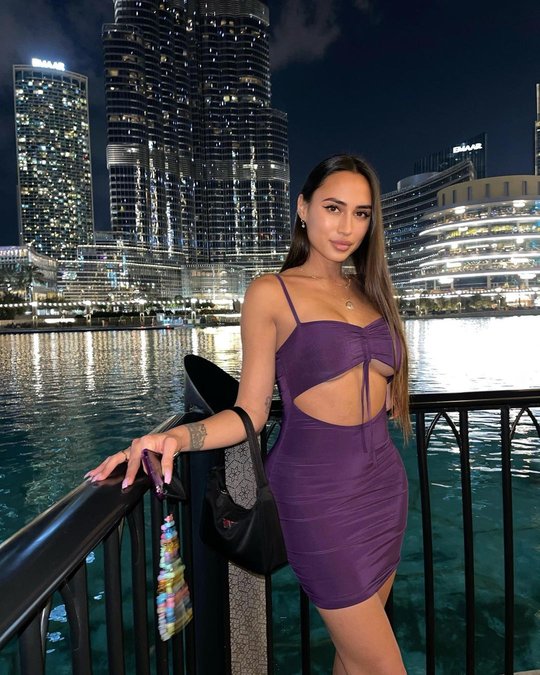
Photos are central to Astrid Nelsia’s public identity because imagery is her strongest language. A single photo can communicate mood, styling, confidence, and brand in a way that a text post cannot. That is why “Astrid Nelsia photos” is such a consistent search. People aren’t only searching for pictures to look at; they are searching for an aesthetic. They want the looks that defined a certain era. They want the travel images that feel aspirational. They want the photoshoot moments that look like magazine work even when they are published on a phone screen.
There is a difference between photo culture that is respectful and photo culture that is exploitative. Respectful photo culture recognizes creators, credits photographers when possible, and focuses on the images that the person chose to publish. Exploitative photo culture tries to strip images from context, repost without credit, or push content into corners where consent is questionable. If you are a real fan, the best approach is the respectful one. It supports the creator’s work and it also results in higher-quality imagery, because official posts and credited shoots are generally better produced and more representative of the person’s intended brand.
Another reason photos matter is that they show evolution. You can often see the shift from reality TV-era styling into a more controlled influencer aesthetic. You can see changes in makeup trends, fashion choices, and the way a person positions themselves in the frame. That evolution is part of what fans find compelling. It’s not only about beauty; it’s about identity development under public attention. The more you view the photos as a visual story rather than a collection, the more satisfying the fandom becomes.
Astrid Nelsia remains highly searchable because she represents a modern form of fame: discovered through reality TV, sustained through social media, and constantly rediscovered through the algorithm. The keywords people attach to her—age, Instagram, live, hot, sexy, Twitter, Snapchat, origin, relationship status, TikTok, photos—are not separate topics as much as they are different doors into the same public identity. When you walk through those doors with curiosity, respect, and a willingness to seek context rather than rumor, you get a clearer picture of who she is as a public figure and why her name continues to circulate.